

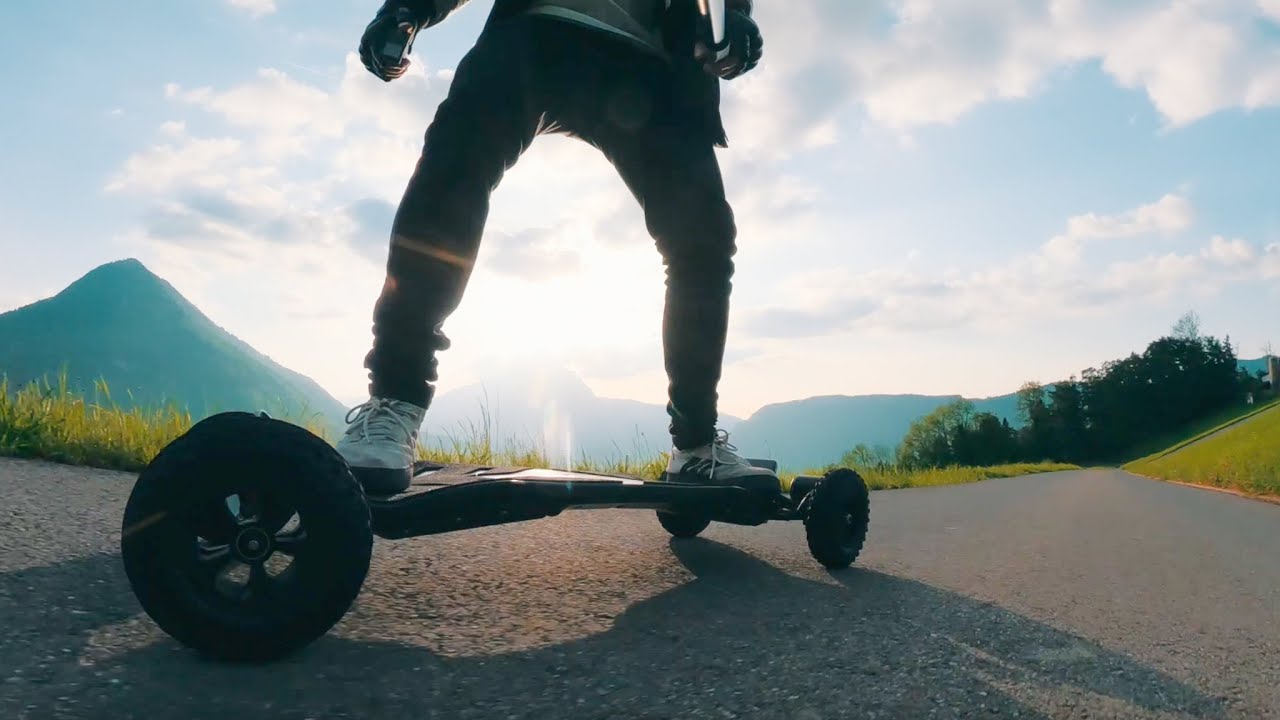
Video: Riding to the Top: ONSRA VELAR Electric Skateboard. These videos show ONSRA boards in use. They are not a statement that the same riding is allowed on public roads in Ireland.
Short answer: in Ireland, e-scooters became legal on public roads in May 2024, but an electric skateboard is not an e-scooter. The Irish regulations define an electric scooter as having handlebars, two axles and a standing position with no seat. Other powered personal transporters are banned from public places by the Road Traffic (Use of Powered Personal Transporters) Regulations 2024.
This article reflects the Irish Statute Book and the Road Safety Authority (RSA) as of October 2026. It is general information, not legal advice.
The two regulations that matter
S.I. 199 of 2024 (Road Traffic (Electric Scooters) Regulations 2024) defines an “electric scooter” as a type of powered personal transporter with handlebars, two axles and at least one electric motor, designed for one person standing, with no seat. A compliant e-scooter must have a maximum continuous rated power of 400 W or less, a maximum design speed of 20 km/h or less, a maximum weight of 25 kg, wheels of at least 200 mm diameter, lights, reflectors, brakes and a bell.
S.I. 224 of 2024 (Road Traffic (Use of Powered Personal Transporters) Regulations 2024), in force since 20 May 2024, is short and blunt: the use of a powered personal transporter, other than an electric scooter used in accordance with the e-scooter regulations, in a public place is prohibited.
Where does an electric skateboard fit?
The Road Traffic and Roads Act 2023 defines a “powered personal transporter” as a vehicle for one person, not exceeding 25 kg unladen, with a maximum design speed between 6 and 25 km/h and motors of 0.5 kW or less combined. An electric skateboard that meets those limits is a powered personal transporter, but it has no handlebars, so it is not an e-scooter – and S.I. 224/2024 prohibits its use in public places. A more powerful or faster board falls outside the powered personal transporter definition and is more likely to be treated as a mechanically propelled vehicle, which would need registration, tax, insurance and a licence; the RSA notes that a vehicle that cannot be registered cannot be used in a public place.
In plain terms: we found no route in Irish law for riding an electric skateboard on a public road, cycle lane or footpath.
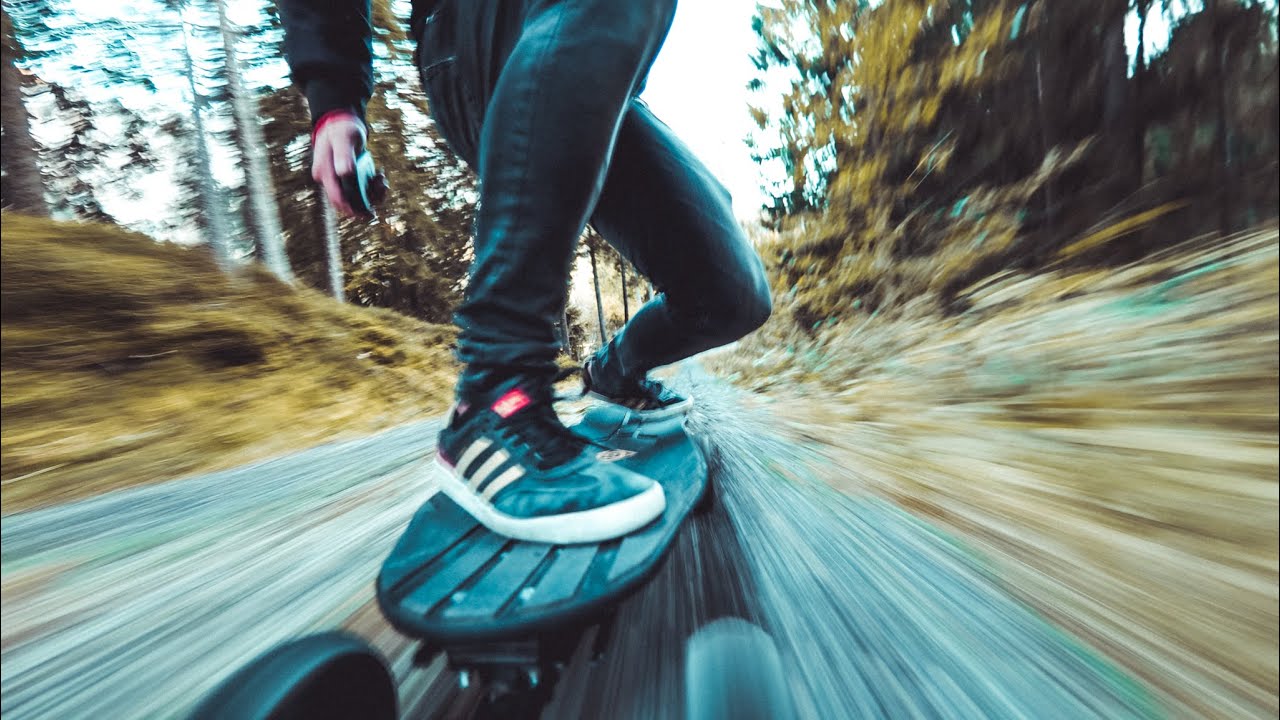
Video: NEW ONSRA Challenger AT - The First AT Kicktail ESK8 is here!.
Current e-scooter rules (for comparison)
For context, the RSA lists these current rules for the e-scooters that are allowed: 20 km/h limit, helmet and high-visibility clothing (required since 4 September 2026) and a minimum age of 18 (since 2 October 2026), no footpaths, pedestrianised areas or motorways. If your device does not meet the technical requirements, the RSA says it remains illegal in a public place and may be seized by An Garda Síochána.
Where you can still ride your electric skateboard
Does that mean the board stays in the garage? No – it means you have to choose the place carefully. Typical options that stay out of public traffic:
- Private land with the owner’s permission – your own yard, a fenced industrial or company site, private roads. The access really has to be restricted; a car park open to the public usually does not count.
- Closed or traffic-free roads at organised events – only with explicit permission.
- Skate parks and race tracks – check the house rules first; not every skate park allows motorised boards.
- Forest, mountain and farm tracks – only where motor vehicles are allowed under local law and signage, and the landowner agrees. Many such tracks are closed to motor vehicles, so check on the spot.
The videos above show what this style of riding looks like: mountain, off-road and race footage. They say nothing about where riding is allowed in Ireland.
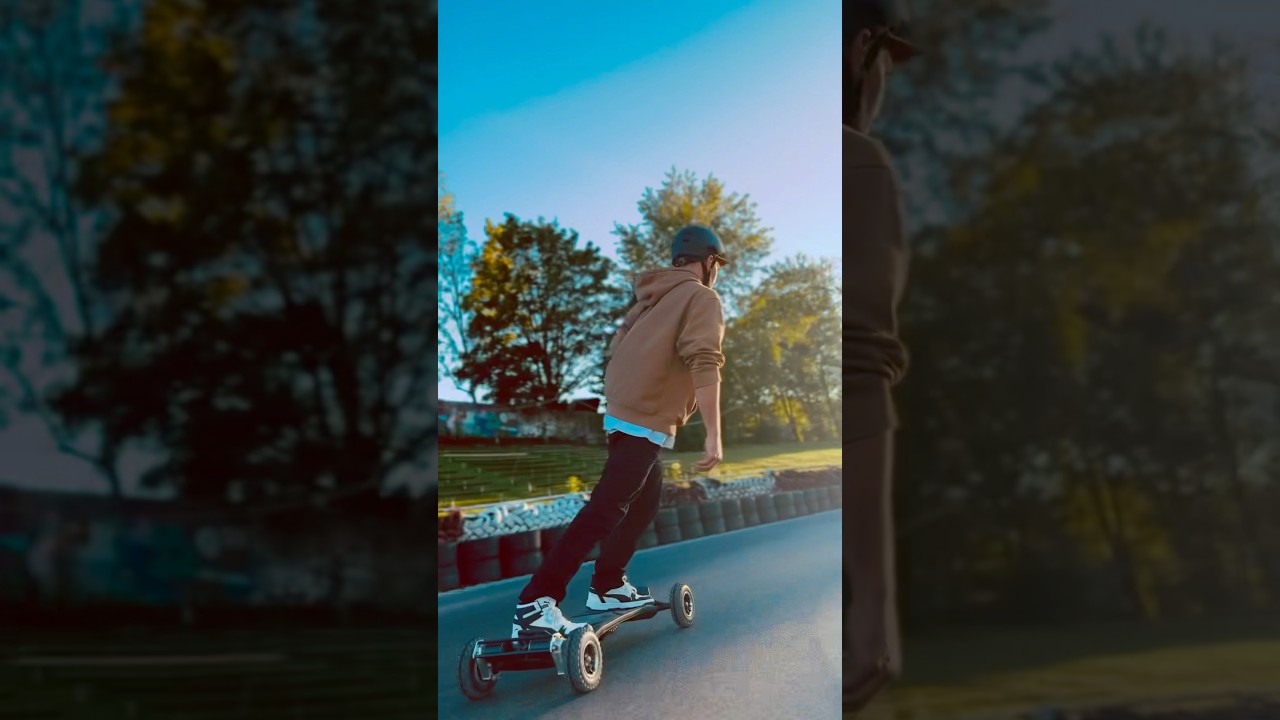
Video: ONSRA VELAR 2.0 Electric Skateboard on the race track.
Why ONSRA: support, spare parts and boards that are fun to ride
A board you actually use needs a manufacturer you can reach. The ONSRA warranty page spells out the cover: 4 years on the CNC-machined trucks, 2 years on motors, deck, enclosure, ESC, remote and charger, and 1 year on the battery (wear parts such as wheels, bearings, bushings and grip tape are excluded). You start a claim by e-mail with your order number, proof of purchase and photos or video; according to the page, the team replies within 1–2 business days. Wear parts are in the spare parts collection, and questions go through the contact page (e-mail and WhatsApp). Orders on onsra.eu ship from the warehouse in Germany.
To be straightforward: ONSRA does not market its boards as road-legal in any country. They are performance boards for private land, race tracks and off-road use. Whether you may use a board in public traffic is decided by the law of your country – not by the manufacturer.
The VELAR 2.0 S is the version with suspension trucks: carbon deck, CNC-machined ONSRA channel trucks and 200 mm pneumatic tyres – built for gravel, farm tracks and rough surfaces on private land or the race track. Exact specs (power, battery, weight, top speed) are on the product page; they sit well above what road laws typically allow.


New in the range are the BLACK Carve 4 (bamboo deck, Gear Drive, 14S battery; available as Street and AT version – availability is shown on the product page) and the Challenger 2.0 AT, a compact kicktail board with 150 mm pneumatic tyres.
See the boards and accessories
If you are looking for a board for private land, the track or off-road riding, go straight to the models:
BLACK Carve 4Challenger 2.0 ATVELAR 2.0 S
All boardsSpare partsProtection gearWarranty
Frequently asked questions
Is an electric skateboard legal in Ireland?
Not in public places. Only e-scooters that meet S.I. 199/2024 – which requires handlebars – are allowed; S.I. 224/2024 prohibits other powered personal transporters in public places.
Can I use a cycle lane or footpath?
No. E-scooters may not use footpaths, and electric skateboards are not covered by the e-scooter rules at all.
What about a slow, low-power board?
Even a board within the powered personal transporter limits (25 km/h, 0.5 kW, 25 kg) is covered by the prohibition in S.I. 224/2024 unless it is a compliant e-scooter.
Is private land different?
The prohibition applies to public places. On private land with the owner’s permission, the road rules do not apply in the same way, but check your insurance.
Where can I ride my board?
On private land with permission, on race tracks and – subject to house rules – in some skate parks. Check locally before riding forest or mountain tracks.
Sources and date checked
For this article we reviewed the following official or authority-level sources (October 2026):
- Irish Statute Book: S.I. No. 224/2024 – Road Traffic (Use of Powered Personal Transporters) Regulations 2024
- Irish Statute Book: S.I. No. 199/2024 – Road Traffic (Electric Scooters) Regulations 2024; Road Traffic and Roads Act 2023, section 16
- Road Safety Authority (rsa.ie): “E-scooters” and “New laws on e-bikes and e-mopeds”
Further reading: Are Electric Skateboards Legal in Europe? (Country-by-Country Guide)
Research date: October 2026. Laws and interpretations change. Check the current rules for your country and location before every ride. This article is general information, not legal advice.
Are Electric Skateboards Legal in the UK? What GOV.UK Says in 2026
Elskateboard i Sverige: är den laglig i trafiken? Regler 2026